
Prof. Lakshman Dissanayake
Research Professor
Condensed Matter Physics and Solid State Chemistrylakshman.di@nifs.ac.lk
Search news, scientists, events, research, reports, facilities, and pages.
Discovery of simple and profitable methods to meet mankind's energy demands.
Research Focus:
The primary focus of this research group is the development of advanced, low-cost, and sustainable materials and devices for renewable energy conversion, energy storage, and nanotechnology-enabled biosensing applications. Through an interdisciplinary approach that integrates materials science, physics, nanotechnology, and electrochemistry, the group aims to address critical challenges in clean energy generation, storage, and utilization.
The research encompasses the development of performance-oriented dye-sensitized solar cells (DSSCs) through advanced interfacial engineering, nanostructured novel photoanodes, carbon-based counter electrodes, and polymer nanofiber-based gel electrolytes to enhance photovoltaic efficiency, stability, and durability. The group also investigates the synthesis and optimization of carbon-based and semiconductor-based quantum dots with tailored structural, optical, and electronic properties for applications in solar energy harvesting and biomedical sensing. Another key research area is the development of integrated photo-supercapacitor systems that combine solar energy conversion and storage within a single platform. Through simulation-guided material selection and cost-effective fabrication techniques, the project seeks to improve energy utilization and overall device performance.
In the field of electrochemical energy storage, the research focuses on the design of low-cost magnesium-ion batteries and magnesium-sea-water batteries, which are emerging as competitors to lithium-ion-based devices. A Particular emphasis is placed on developing high-performance electrolytes and novel cathode materials, including graphite and graphene, with enhanced electrochemical activity and long-term durability. Overall, the project seeks to contribute to sustainable energy technologies by developing scalable, environmentally friendly, and economically viable solutions for solar energy conversion, energy storage, and the development of advanced functional materials with potential applications in the energy sector.
Why Does this Research Matter?
The extensive use of fossil fuels has contributed to greenhouse gas emissions, global warming, and environmental degradation, creating an urgent need for sustainable, affordable, and efficient energy solutions. However, the widespread adoption of existing energy technologies is often limited by high material costs, complex fabrication processes, and limited resources. This research addresses these challenges by developing low-cost, high-performance, and environmentally sustainable materials and devices for energy conversion, energy storage, and biosensing.
The research focuses on dye-sensitized solar cells, integrated photo-supercapacitors, magnesium-ion batteries, and magnesium–seawater batteries as promising alternatives to conventional technologies. Particular emphasis is placed on abundant, cost-effective, and environmentally friendly materials to improve device performance, stability, and scalability. The integration of energy conversion and storage technologies can enhance energy utilization and enable portable, decentralized, and off-grid power applications. In addition, carbon-based materials and semiconductor quantum dots are explored for renewable energy and biomedical sensing applications.
By integrating materials engineering, nanotechnology, and electrochemical device development, this research aims to contribute to low-carbon energy systems while strengthening energy security, environmental sustainability, and technological innovation.
These profiles are linked directly from the staff section.
Research Professor
Condensed Matter Physics and Solid State Chemistrylakshman.di@nifs.ac.lk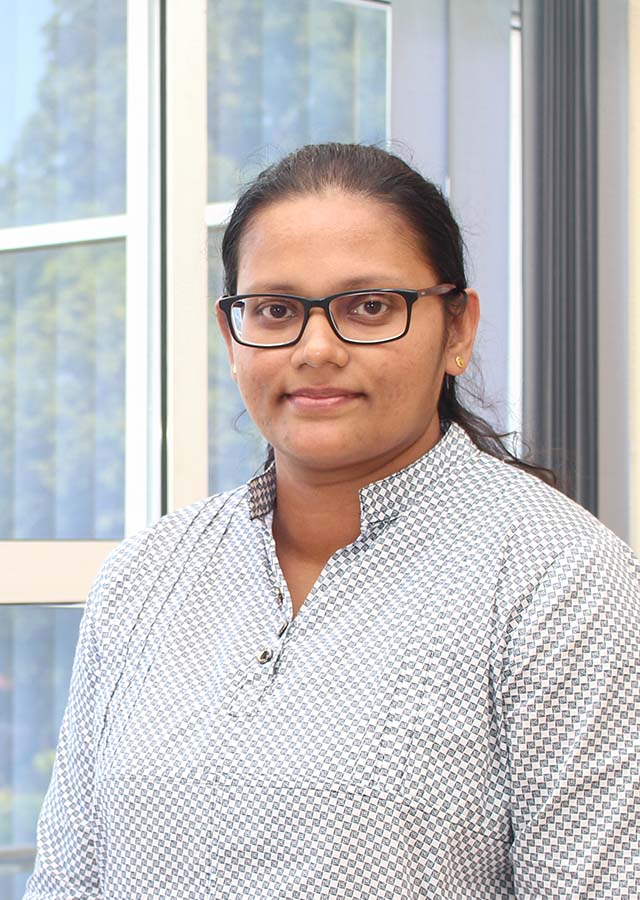
Research Fellow
Condensed Matter Physics and Solid State Chemistrykalpani.ku@nifs.ac.lk
Honorary Visiting Research Professor
Condensed Matter Physics and Solid State Chemistryrohan.se@nifs.ac.lk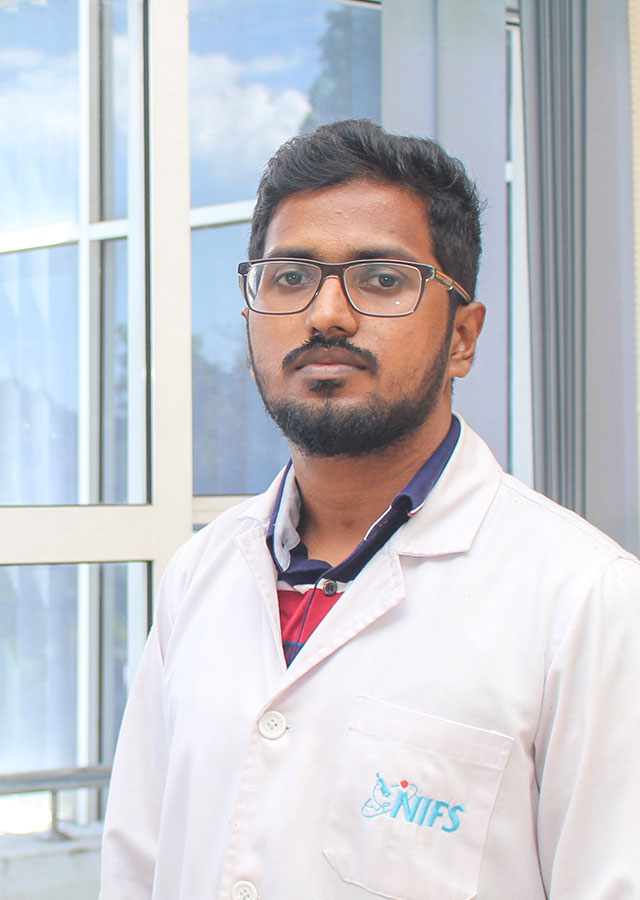
Research Assistant
Condensed Matter Physics and Solid State Chemistrydumindu.se@nifs.ac.lk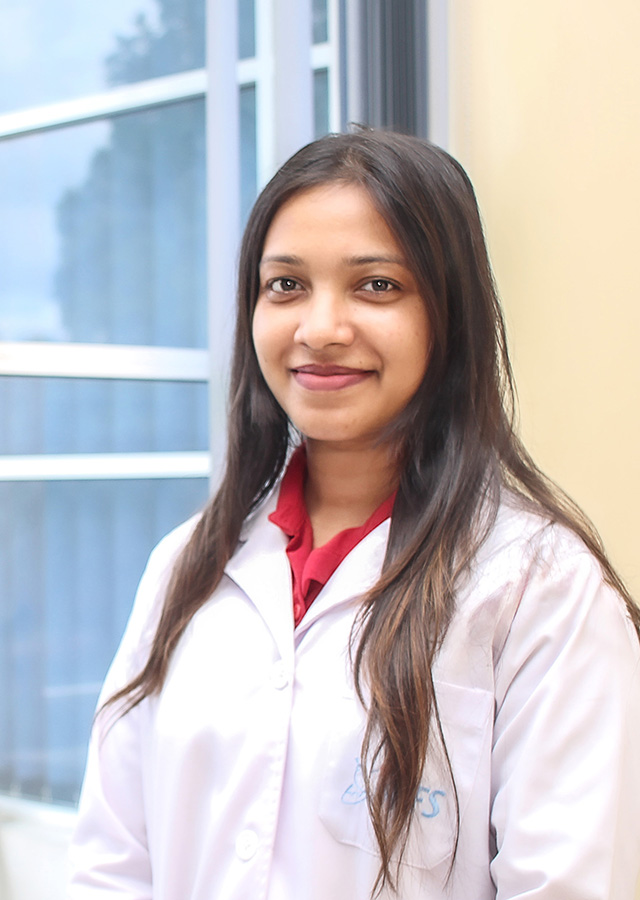
Research Assistant
Condensed Matter Physics and Solid State Chemistrysewwandi.sh@nifs.ac.lk
Research Assistant
Condensed Matter Physics and Solid State Chemistrydarshani.li@nifs.ac.lk